Find the right driveway cleaning rhythm for your home, from annual jet washing to extra care for shaded, busy or block-paved surfaces.
Understanding how often to jet wash a driveway helps keep the entrance to your home looking properly maintained without overworking the surface. A driveway is one of the hardest-working parts of the exterior. It carries cars, foot traffic, rainwater, tyre marks, leaves, algae and winter grime, yet it is also one of the first things visitors see. The right cleaning rhythm depends on the material, exposure, shade and how the driveway is used.
How often to jet wash a driveway for a well-kept home
For many homes, jet washing a driveway once a year is enough to keep it looking fresh. Spring is often the natural moment, as it removes winter grime and prepares the entrance for brighter months. However, some driveways need attention more often. Shaded areas, tree cover, heavy vehicle use and damp corners can all make algae and staining return sooner.
A driveway in a leafy Kent setting may gather moss, leaves and organic residue quickly. A London driveway may collect traffic film, dust and tyre marks. Homes with pale stone, light concrete or prominent front drives may also show dirt sooner than darker or more textured surfaces.
The aim is not to clean on a rigid calendar. It is to prevent the surface from becoming slippery, stained or visually tired.
What signs show your driveway needs jet washing?
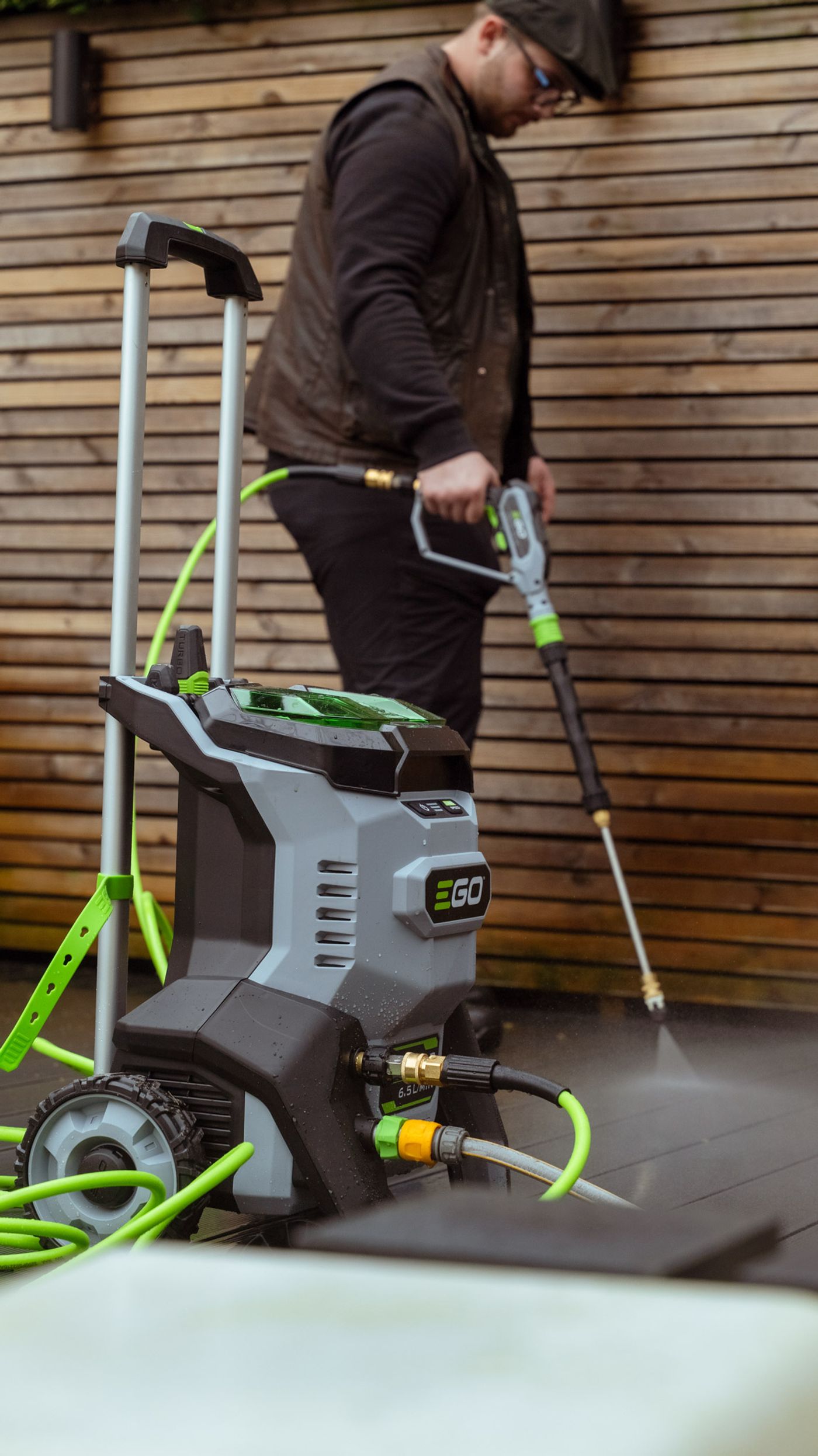
The first sign is usually a change in colour. Paving that once looked bright begins to appear grey, green or patchy. Tyre marks may become more obvious, particularly where cars turn or brake. In shaded areas, algae can form a slippery film. Moss may appear between blocks, along edges or where water drains slowly.
You may also notice that the entrance looks tired even when the house itself is well kept. Because the driveway sits at the front of the property, it has a strong effect on kerb appeal. Clean windows and a freshly maintained doorway can be undermined by a dull or green drive.
Another sign is water pooling. Jet washing will not solve drainage defects, but cleaning the surface can reveal where water is lingering and encouraging growth.
Why shade changes the cleaning schedule
Shade is one of the biggest factors in driveway maintenance. Areas that receive little direct sun stay damp longer after rain, giving algae and moss time to establish. Driveways beneath trees, beside tall walls or on north-facing frontages often need cleaning more frequently.
This does not mean the whole drive needs the same level of attention. Sometimes one side or one corner becomes green long before the rest. A professional clean can restore the full surface, then future timing can be adjusted according to how quickly the shaded areas return.
Is annual driveway jet washing enough?
Annual jet washing is a good starting point for many properties. It removes seasonal build-up before it becomes ingrained and keeps the driveway presentable through the year. For homes with moderate use and good sunlight, once a year may be entirely sufficient.
Some driveways benefit from a spring clean and a lighter autumn refresh, particularly if leaves and moss are a recurring issue. Properties with large trees, heavy shade or pale paving may need this more considered schedule.
Driveways used by several cars, delivery vehicles or frequent visitors may also show marks more quickly. Oil drips, tyre residue and dirt from the road all shorten the time between cleans.
The best approach is to review the surface every few months. If it is slippery, green or heavily marked, it should be cleaned sooner rather than left until the next annual slot.
How surface type affects jet washing frequency
Different driveway materials age and soil differently. Block paving is popular and attractive, but it can collect moss and weeds in the joints. After jet washing, fresh kiln-dried sand should be brushed back into the joints to restore stability and finish.
Concrete driveways can become dull and stained, particularly where tyres sit. Natural stone varies widely, with some surfaces requiring gentler pressure than others. Resin-bound surfaces should be assessed carefully and cleaned with the correct method to avoid damage.
The cleaning frequency should respect the surface. A robust drive may tolerate annual jet washing well. A more delicate or older surface may require a lighter touch and careful technique.
Why pressure should be matched to the driveway
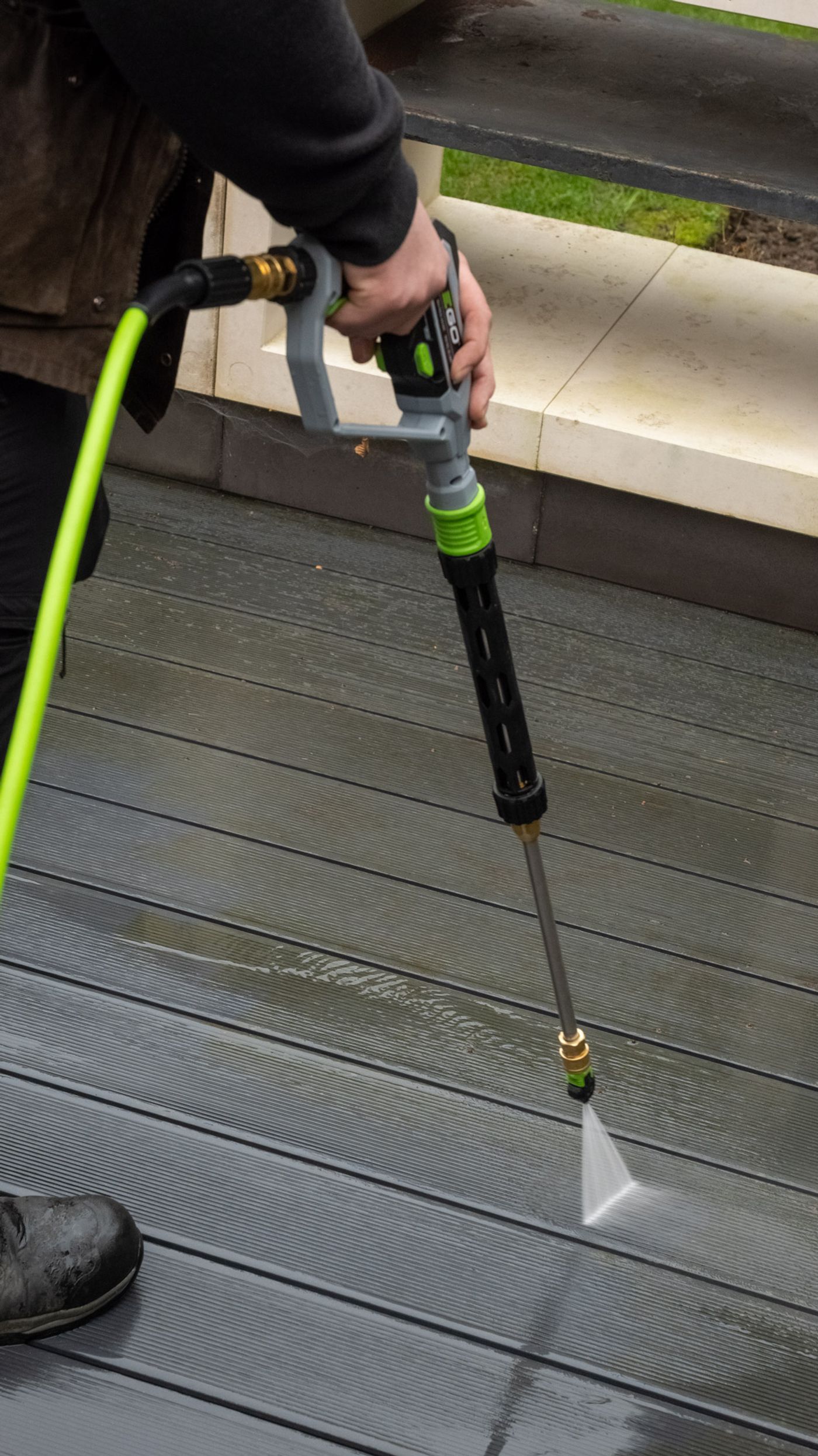
Jet washing is not simply about force. Too much pressure can damage surfaces, loosen joints or create stripes. Too little may leave algae and grime behind. The best result comes from controlled pressure matched to the driveway material.
Willow Alexander jet washes hard surfaces including driveways, paths and patios, with pressure matched to the surface. On block paving, fresh kiln-dried sand is brushed back into the joints afterwards. These finishing details matter because they help the driveway look complete, not merely blasted clean.
Can jet washing help with kerb appeal?
Yes. The driveway is part of the first impression of a property. When it is clean, the front elevation feels sharper, the entrance more cared for and the planting more intentional. When it is stained or green, the whole exterior can look tired.
This is particularly true for homes with white render, pale stone, painted gates or immaculate windows. A dirty driveway creates contrast in the wrong direction. Cleaning it helps the rest of the exterior read properly.
Driveway jet washing pairs well with window cleaning, gutter clearing and uPVC restoration. Together, these services address the areas most visible from the street: glass, roofline, walls, frames and ground surfaces.
What can you do between professional cleans?
Simple habits help extend the result. Sweep leaves regularly, especially in autumn. Remove fallen berries, seed pods or debris before they stain. Keep drains clear so water does not sit on the surface. Trim back planting that traps moisture against the drive.
If a car leaves oil or fluid marks, deal with them promptly using suitable products for the surface. The longer a stain sits, the harder it may be to improve. Avoid harsh household chemicals that could damage paving or surrounding plants.
For block paving, watch the joints. If weeds or moss begin to establish, they can hold moisture and make the surface look unkempt. Professional cleaning and re-sanding can restore order.
When is the best time of year to jet wash a driveway?
Spring is the most popular time because it clears winter residue and prepares the exterior for the months when the home is most visible. It also works well alongside window cleaning, patio cleaning and soft washing.
Autumn can also be useful, particularly before heavy rain and leaf fall become a problem. Clearing algae and moss before winter may improve the surface underfoot during wetter months.
Avoid leaving cleaning until the driveway is very slippery. If algae has already made the surface hazardous, arrange the work promptly. Exterior care is easiest when it is preventative.
How jet washing fits into wider exterior care
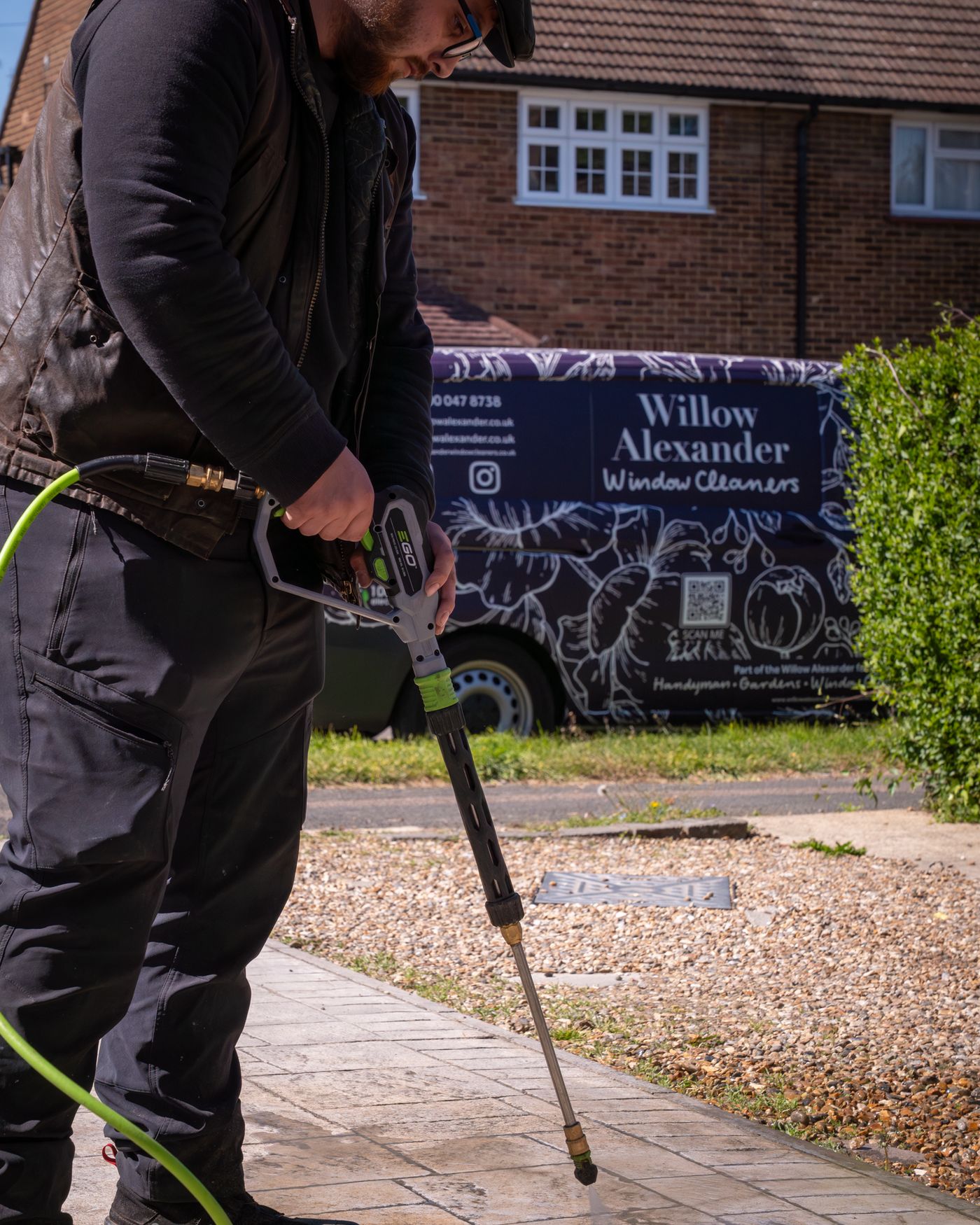
A clean driveway alone makes a difference, but it is most effective when the rest of the frontage is cared for too. Gutter overflow can stain walls and splash onto paving. Dirty windows can make a clean driveway feel less impactful. Green uPVC or tired fascias can distract from an otherwise fresh entrance.
For this reason, many homeowners plan driveway cleaning as part of a seasonal exterior reset. Jet wash the drive and paths, clean the windows, clear gutters where needed, and treat render or softer exterior surfaces with soft washing if algae has taken hold.
This creates a consistent standard across the property. Every surface does not need the same treatment, but each should receive the right one.
A cleaner drive, without overdoing it
For most homes, the answer to how often to jet wash a driveway is once a year, with extra attention for shaded, heavily used or tree-covered areas. The best schedule keeps the surface clean, safe and attractive without unnecessary wear. With controlled pressure, careful technique and proper re-sanding for block paving, driveway cleaning becomes a practical way to protect both the surface and the first impression of your home.
Common questions
How often should you jet wash a driveway?
Most driveways benefit from jet washing once a year. Shaded, heavily used or tree-covered driveways may need cleaning more often.
Can jet washing damage a driveway?
It can if the pressure is too high or the technique is poor. Professional jet washing matches the pressure to the surface to reduce the risk of damage.
Does block paving need sanding after jet washing?
Yes. Fresh kiln-dried sand should be brushed back into block paving joints after jet washing to help stabilise the surface and restore the finish.
When is the best season to clean a driveway?
Spring is ideal for removing winter grime, while autumn can help prepare the surface before wet weather and leaf fall. The best timing depends on shade, use and surface condition.