A calm, practical guide to choosing the right window cleaning rhythm for a well-kept home, from seasonality to location and exterior exposure.
Knowing how often to clean windows is less about following a fixed rule and more about understanding the character of your home. A townhouse close to a busy London road gathers a different film of dust and traffic residue from a detached house in Sevenoaks, while coastal winds, pollen, trees and rain all leave their own trace. Well-kept windows do more than improve the view. They help a property feel cared for, brighter and quietly maintained from the outside in.
How often to clean windows in London and Kent homes
For many well-maintained homes, a professional exterior window clean every four to eight weeks is a sensible rhythm. Properties in busy parts of London, such as Chelsea, Kensington and Fulham, often benefit from a more frequent clean because traffic film, building dust and airborne particles settle quickly on glass, frames and sills. In greener Kent locations, such as Sevenoaks, Chislehurst or Beckenham, the interval may stretch a little further, although trees, pollen and damp shade can create their own reasons for regular care.
A good starting point is to look at how exposed the property is. Homes on main roads, corner plots and open elevations tend to gather more residue. Period houses with large sash windows, glass doors and conservatory glazing also show marks sooner, simply because there is more glass to catch the light.
If you entertain often, work from home beside large windows, or value an immaculate frontage, a four-weekly clean may feel right. For homes set back from the road with less exposure, six to eight weeks may be enough for the windows to stay fresh between visits.
What makes windows look dirty sooner?
Windows rarely become dull for one reason alone. A fine layer builds gradually, then suddenly becomes visible when the sun hits the glass at a low angle. The most common causes include traffic film, pollen, dust from nearby building work, bird mess, tree sap and mineral deposits from water splashes.
In London, traffic residue is often the main culprit. It can leave a grey veil on glass and a darker line along frames and sills. In leafier areas of Kent, pollen, algae and organic matter tend to be more noticeable, especially on north-facing windows or homes close to mature trees.
The shape of the building also matters. Deep window reveals can trap moisture. Overhanging trees can drip sap. Bay windows and rooflights can collect dust in awkward angles. Homes with white uPVC frames may show green or yellowing marks before the glass itself looks particularly dirty.
Regular window cleaning prevents this build-up from becoming ingrained. It is not only about the pane. Frames, sills and surrounding details all contribute to the impression a home gives.
Why light rain is not the enemy
Many homeowners assume rain makes windows dirty, but rainwater itself is not usually the problem. Dirt already sitting on the glass is what rain disturbs. When droplets run through dust, pollen or traffic film, they dry into spotted marks.
With a pure water cleaning system, the glass is cleaned using deionised water from the ground. This water is purer than rainwater and contains no chemicals. Once the dirt has been removed, the pure water dries clear, leaving a spotless, streak-free finish. Light rain after a clean should not spoil the result because there is no residue left on the glass for it to disturb.
That is one reason regular cleaning works so well. The cleaner the surface is kept, the less there is for the weather to move around.
How seasons affect your window cleaning routine
A well-planned schedule should follow the year rather than ignore it. Each season brings a different kind of residue.
Spring often brings pollen, tree sap and the remains of winter grime. A professional clean at this point helps lift the dullness left by cold, wet months and prepares the home for brighter days. It is also a good time to look at frames, soffits and fascias, as winter weather can leave marks on uPVC.
Summer is when clean glass is most noticeable. Long daylight hours reveal smears and dust, and garden use often means patio doors, bi-folds and rear glazing see more fingerprints and splashes. Homes used for entertaining may benefit from a shorter interval during these months.
Autumn brings leaf fall, damp and organic debris. Windows under trees can dull quickly, and gutters may begin to fill at the same time. If leaves and silt are left to sit, rainwater can overflow and mark walls, frames and glass below.
Winter can be gentler on pollen but harsher on overall presentation. Rain, wind and road spray can make front elevations look tired. A regular clean through winter keeps the property from sliding into neglect and makes the spring refresh much easier.
How often should period, townhouse and larger homes be cleaned?
Period properties and larger homes often deserve a more considered approach. Tall windows, detailed frames, fanlights, conservatories and glass extensions all catch dirt differently. The more architectural detail a property has, the more important it is to clean the whole window area, not just the central pane.
Townhouses in London may benefit from a four-weekly clean because front elevations are close to the street. In Kensington, Chelsea and Fulham, dust and traffic residue can quickly soften the crispness of painted frames and glass. For these homes, regularity preserves the sense of care that suits the architecture.
Larger Kent homes may have fewer traffic issues but more exposure to weather, trees and garden debris. In Bromley, Sidcup, Sevenoaks, Beckenham and Chislehurst, a six-weekly clean may suit many properties, while homes near trees or on open roads may need more frequent attention.
The most practical approach is to review the appearance after each clean. If the windows still look presentable at six weeks, that interval may suit. If they look dull by week three, the schedule should be shortened.
Why professional cleaning gives a more consistent result
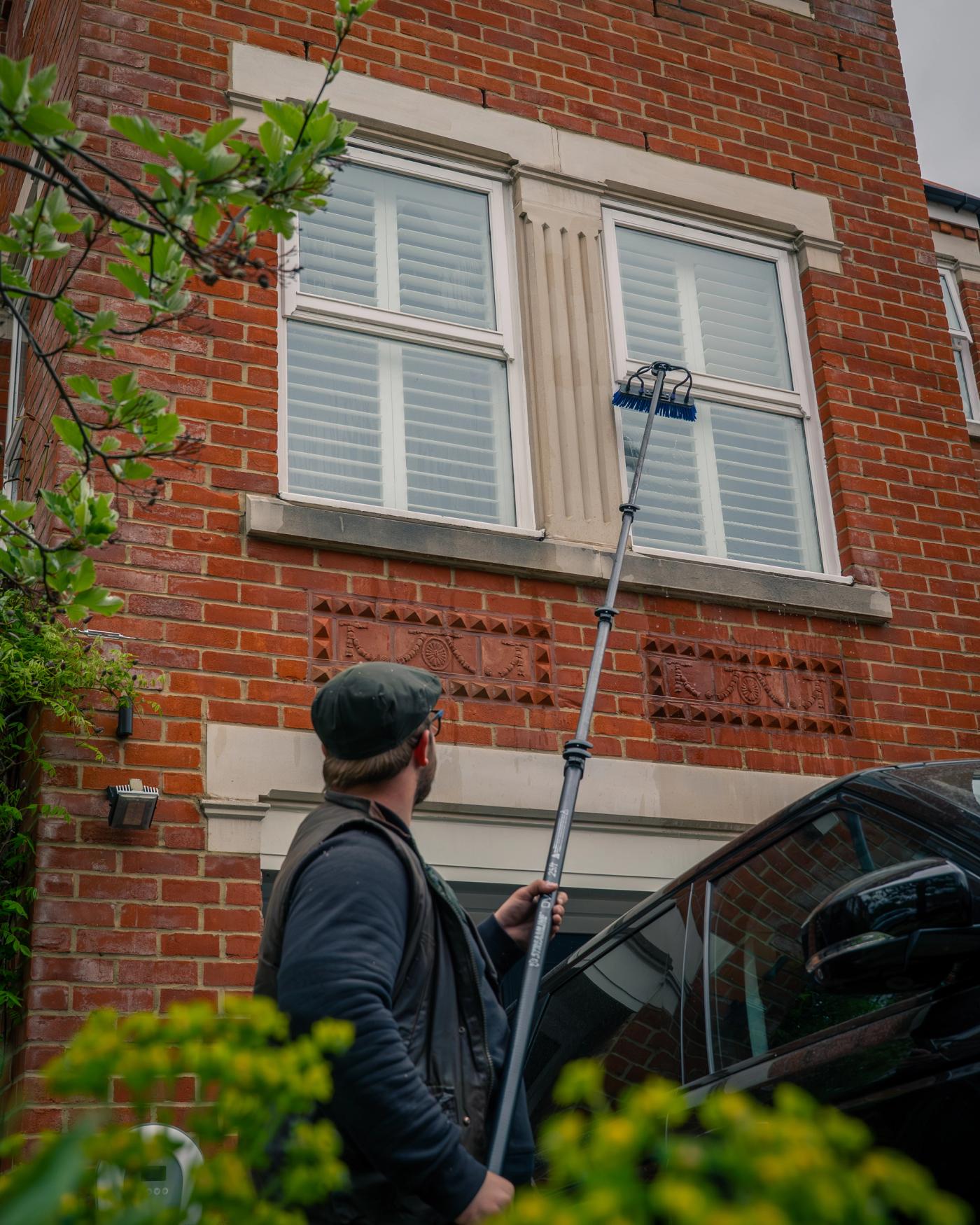
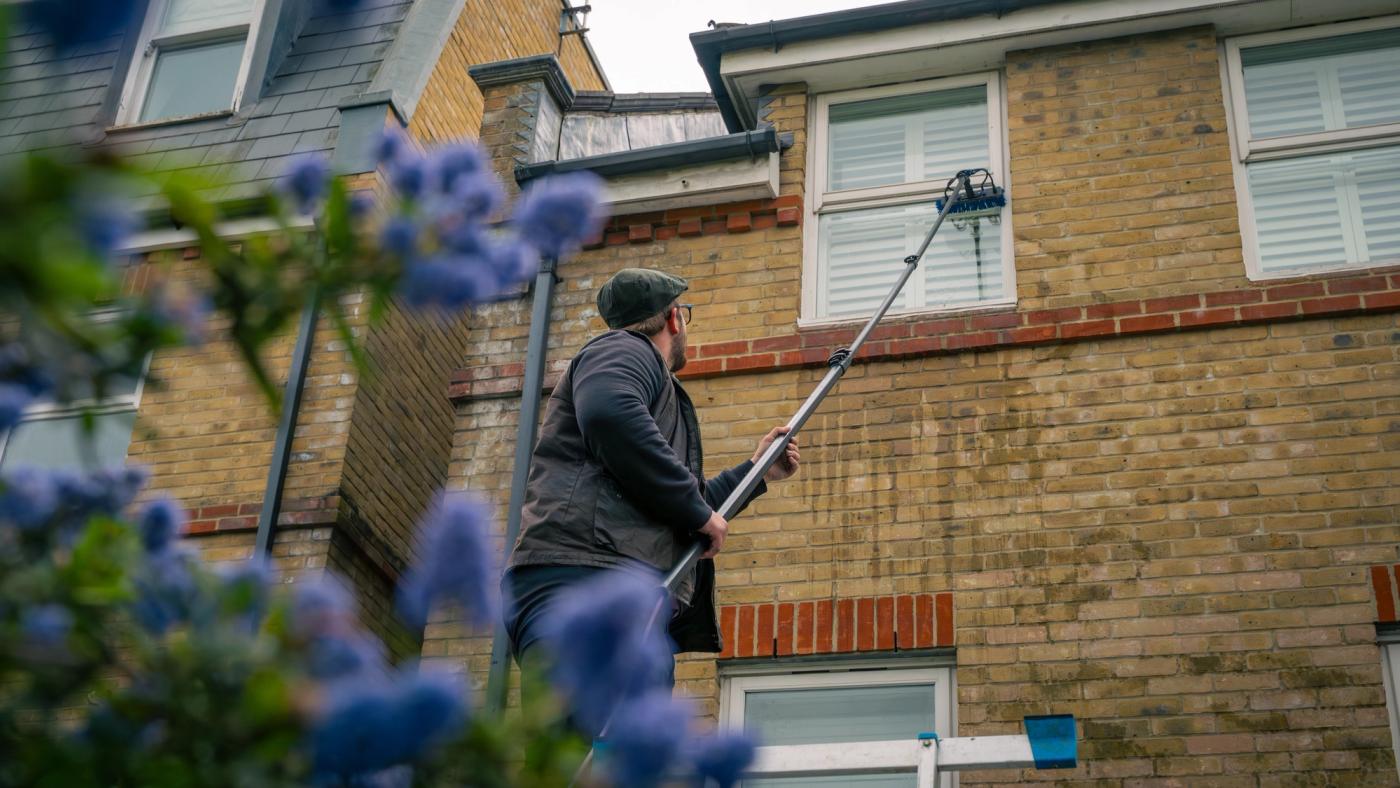
For homes with upper storeys, rooflights or awkward rear elevations, professional equipment makes a clear difference. Willow Alexander uses a pure water pole system from the ground, allowing windows to be cleaned safely without ladders in most situations. The deionised water lifts dirt without chemicals and dries to a clear finish.
This method is particularly useful for regular maintenance because it cleans glass, frames and sills in a controlled way. Rather than chasing smears with cloths or household products, the system removes residue and rinses it away.
Professional cleaning also helps maintain a rhythm. Once a property is on a suitable schedule, windows rarely reach the stage where they look obviously neglected. Instead, the home stays quietly well-presented throughout the year.
Should frames, soffits and fascias be cleaned at the same time?
Not every window clean needs to include soffits and fascias, but they should not be forgotten. White uPVC can turn green or yellow over time as algae, pollution and weathering take hold. Even when the glass is bright, tired frames or stained roofline details can make the exterior feel less cared for.
Many homeowners pair regular window cleaning with occasional uPVC restoration, especially before spring, summer entertaining or putting a property on the market. Clean frames also help the windows themselves look better, as the eye reads the full opening rather than the glass alone.
How to tell your current schedule is not frequent enough
There are a few reliable signs that your windows need cleaning more often. If the glass looks hazy in sunlight, if rain leaves obvious spotting, or if sills develop grey lines between cleans, the interval may be too long. The same applies if frames show green growth or if upstairs windows always seem dull even after the ground floor has been wiped down.
Another sign is the feeling that the house looks tired from the street before the next visit is due. The right window cleaning schedule should keep your home presentable most of the time, not just for a few days after each clean.
For busy households, it is often easier to choose a regular appointment than to wait until the windows look poor. By then, more dirt has settled, and the clean may feel like a rescue rather than routine care.
A practical schedule for a well-kept home
For most premium homes in London and Kent, the best answer to how often to clean windows sits between four and eight weeks. Four weeks suits exposed London properties, homes near busy roads, larger areas of glass and households that entertain often. Six weeks is a balanced rhythm for many suburban and village homes. Eight weeks may suit more sheltered properties, provided the frames and sills remain clean.
It is worth reviewing the schedule by season. Spring and summer may call for more frequent cleaning, while some sheltered homes can ease slightly in winter. The aim is not to over-clean, but to keep the exterior consistently fresh.
A clearer view, all year round
Clean windows change the way a home feels. Rooms become brighter, the exterior looks better kept, and fine architectural details are allowed to show. With the right schedule, window cleaning becomes a quiet part of caring for the property rather than a last-minute chore. Whether your home needs monthly attention or a more relaxed six-weekly rhythm, regular pure water cleaning helps preserve a bright, polished appearance through every season.
Common questions
How often should I have my windows cleaned?
Most homes benefit from professional window cleaning every four to eight weeks. London properties near busy roads often need a shorter interval, while more sheltered Kent homes may stay fresh for longer.
Does rain make freshly cleaned windows dirty?
Light rain should not spoil windows cleaned with pure water. Rain usually causes marks when it moves existing dirt around, but pure water cleaning removes that residue so the glass can dry clear.
Is pure water window cleaning suitable for upper floors?
Yes. A pure water pole system allows many upper windows to be cleaned from the ground, without ladders. It is a safe and effective way to clean glass, frames and sills.
Should window frames be cleaned as often as the glass?
Frames and sills should be cleaned regularly because they gather traffic film, pollen and algae. Soffits and fascias may not need cleaning every visit, but periodic uPVC restoration keeps the whole exterior looking fresh.