Exterior cladding needs the right method for the material. Learn when to use pure water, soft washing or surface-matched cleaning.
Knowing how to clean cladding properly is essential because cladding is both protective and visible. It may be timber, composite, metal, uPVC, painted, coated or part of a commercial frontage. Some cladding can tolerate careful washing. Some needs low pressure. Some should never be treated aggressively. The safest approach is to identify the material, understand the staining, and match the cleaning method to the surface rather than using force as a default.
How to clean cladding without damaging it
To clean cladding without damage, begin with assessment. What is the cladding made from? Is it painted, coated, textured or weathered? Is the staining caused by dust, algae, lichen, mildew, traffic film or water run-off? Are there joints, vents, seals or fixings that need care?
Once those questions are answered, the method can be chosen. Willow Alexander cleans exterior cladding by matching the method to the surface. Pure water is suitable for glass and frames. Low-pressure soft washing is used for algae on cladding where appropriate. Surface-matched jet washing is reserved for hard surfaces that can take it.
The important point is restraint. Cladding can be damaged by overly strong pressure, harsh chemicals or careless access. The aim is to restore the appearance while protecting the finish.
Why cladding becomes stained
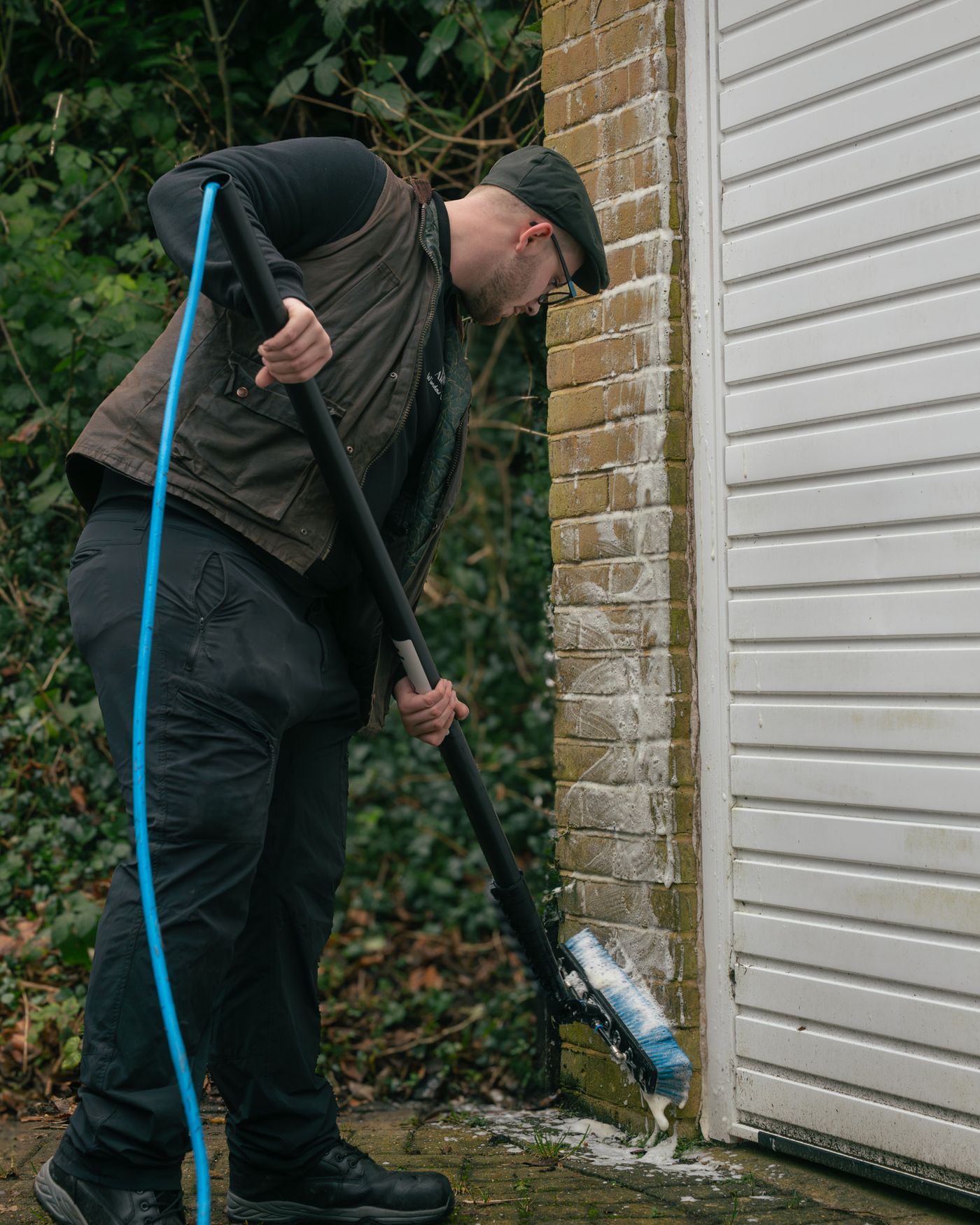
Cladding is exposed to rain, shade, airborne spores, pollution and water run-off. Green staining is usually algae, especially on shaded elevations or areas near trees. Black or grey marks may come from pollution, mildew or dirt collecting in texture. Water streaks often appear below ledges, joints or roofline details.
Commercial cladding may also gather traffic film, signage residue, hand marks and dust from nearby roads. Shopfronts and managed properties need regular care because the exterior is part of the first impression.
The staining pattern can tell you a great deal. Marks beneath gutters may suggest overflow. Green patches on one side may show shade and slow drying. Dirty lower sections may reflect splashback from paving or landscaping.
Why pressure can be risky
Pressure washing can be useful for hard surfaces, but it is not always suitable for cladding. Too much force can strip coatings, drive water behind panels, disturb seals or leave visible cleaning lines. On timber, it can raise the grain. On painted surfaces, it can lift the finish. On older cladding, it can make weaknesses worse.
This is why soft washing often makes more sense where algae, lichen or mildew is the issue. It treats the growth with low pressure and plant-safe biocides rather than relying on force.
When soft washing is the best choice
Soft washing is usually the best choice when cladding is affected by organic growth. Algae, lichen and mildew are living growths, not ordinary dust. If they are simply blasted away, they may return quickly. Soft washing treats them at the source, helping surfaces stay clear far longer than pressure washing, without stripping the finish.
This is particularly useful for shaded walls, north-facing elevations, cladding close to trees and commercial facades where a clean appearance matters. The treatment must still be chosen carefully, with attention to run-off, planting, signage, seals and surrounding materials.
Soft washing does not mean soaking the building. It means applying the right treatment at low pressure and allowing it to work.
When pure water is more suitable
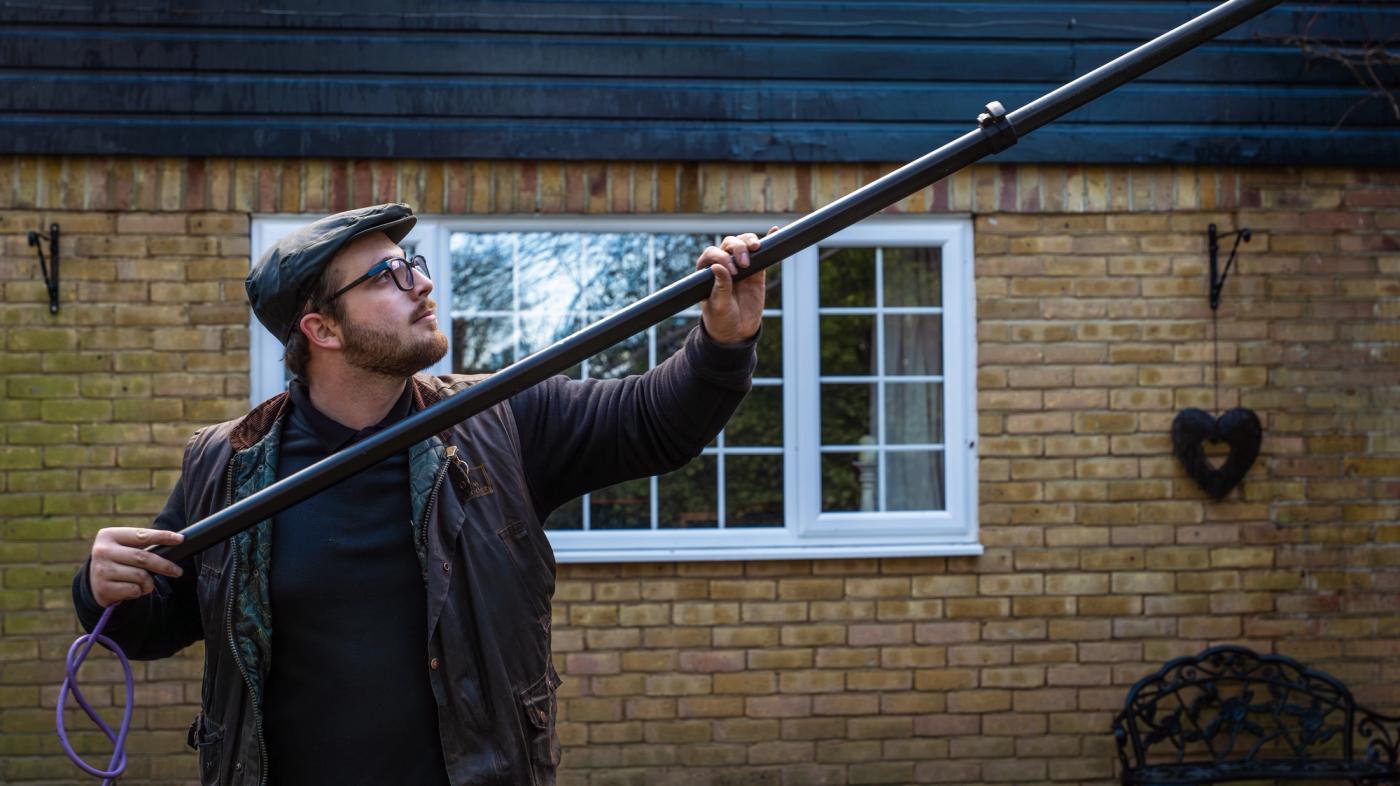
If the cladding is part of a glazed system, or if the priority is glass, frames and light surface residue, pure water cleaning may be more suitable. Pure deionised water dries clear and leaves no mineral deposits. It is particularly useful for windows, frames and adjacent surfaces that need a spotless finish without chemicals.
Pure water is also helpful where cladding sits close to windows. Cleaning the glass but ignoring dirty surrounding sections can leave the facade looking incomplete. Equally, cleaning cladding while leaving window frames dull can reduce the overall effect.
A coordinated approach gives the best result, especially on contemporary homes and commercial premises where glass and cladding sit together visually.
How commercial cladding differs from domestic cladding
Commercial cladding often faces greater public exposure. Offices, shopfronts and managed properties need to look cared for not only to occupants but also to visitors, clients and passers-by. Dirt around entrances, signage and lower panels can quickly make a building feel neglected.
Access and timing also matter. Commercial cleaning may need to be scheduled around opening hours, deliveries or building management requirements. Insurance, public liability and professional accreditation become especially important.
Willow Alexander serves commercial clients as well as homes across London and Kent, including offices, shopfronts, managed and period properties. The team is fully insured and accredited by the Federation of Window Cleaners.
What about the ground surfaces beneath cladding?
Cladding often becomes dirty because of splashback from paths, patios or driveways. If the ground surface is green, dusty or stained, rain can bounce residue back onto the lower wall. In this case, cleaning the cladding alone may not solve the problem for long.
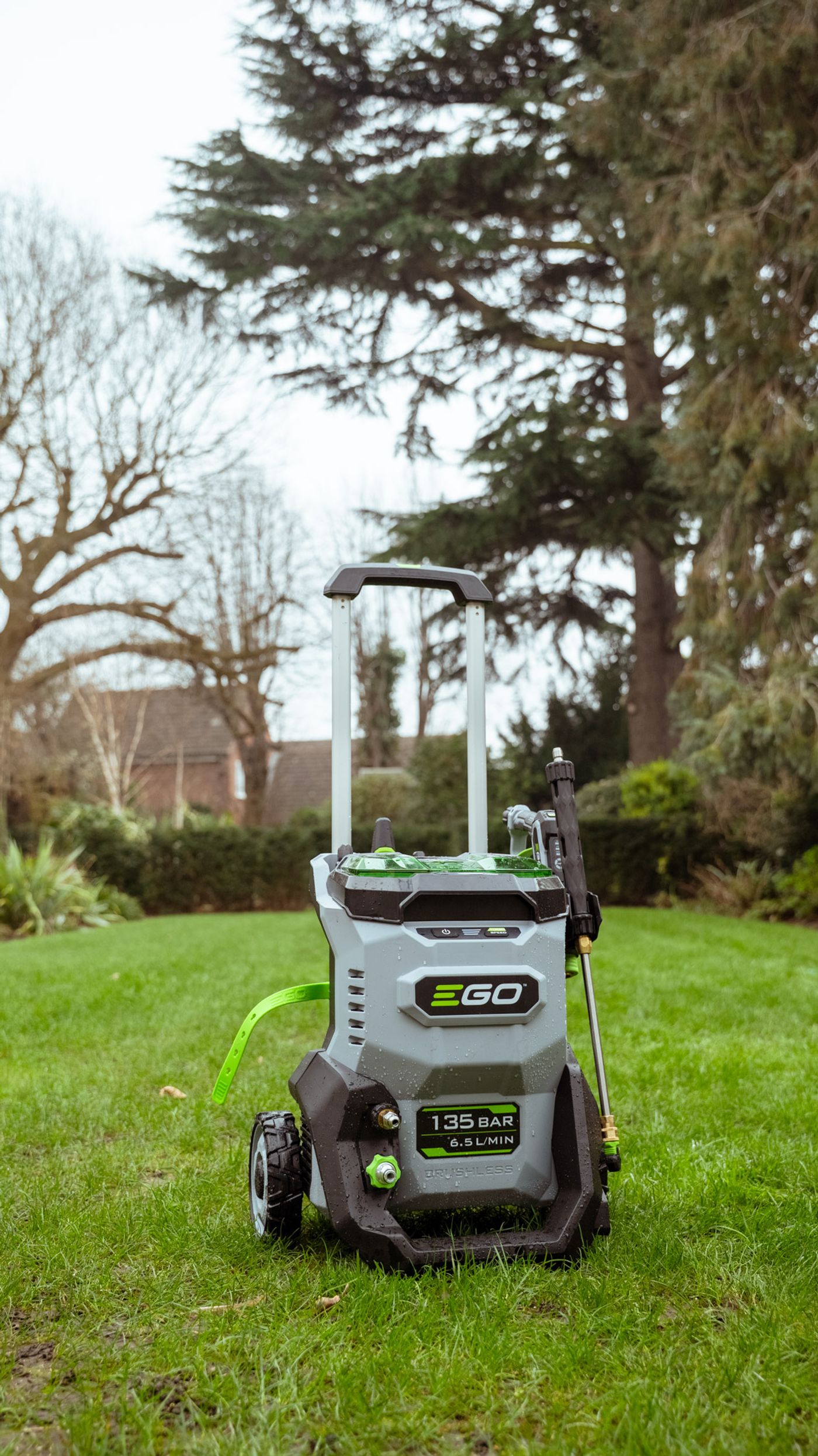
Jet washing can be used on hard surfaces such as driveways, paths, patios and suitable decking, with pressure matched to the surface. On block paving, fresh kiln-dried sand should be brushed back into the joints afterwards.
By cleaning both the vertical cladding and the horizontal surface below, the exterior stays fresher and more consistent.
How often should cladding be cleaned?
There is no single schedule for every building. Shaded cladding or commercial frontage may need more frequent attention than sheltered domestic cladding. Buildings near trees, busy roads or damp landscaping will show marks sooner. The best guide is appearance and water behaviour.
If algae is visible, soft washing should be considered before it spreads. If lower panels are dirty from splashback, the surrounding paving may also need cleaning. If staining appears below roofline details, gutters or drainage should be checked.
Regular observation prevents cladding from becoming heavily marked and more difficult to restore.
A surface-matched clean protects the finish
Exterior cladding should never be treated as one generic surface. The best cleaning method depends on the material, staining and setting. With careful assessment, low-pressure soft washing for organic growth, pure water for glass and frames, and surface-matched jet washing for suitable hard areas, cladding can be refreshed without unnecessary risk. The result is a building that looks brighter and better maintained, while the protective finish remains respected.
Common questions
How do you clean cladding safely?
Cladding should be assessed first, then cleaned with a method suited to the material. Low-pressure soft washing is often used for algae, while pure water may suit glass and frames.
Can you pressure wash cladding?
Some robust surfaces may tolerate controlled pressure, but many cladding materials can be damaged by force. Pressure should never be used without assessing the surface.
Why does exterior cladding go green?
Green staining is usually algae. It develops where moisture, shade and airborne spores allow growth to establish, especially near trees or on north-facing elevations.
Is cladding cleaning suitable for commercial premises?
Yes. Offices, shopfronts and managed properties often benefit from cladding cleaning, especially where appearance and first impressions matter.